PhiMeK – Philosophy Mediterranean Kulture
Cultural gathering between generations

Projects

Seven directions. One shared commitment.

Culture, wellbeing, education and care for the land come together in projects built with the people who live in these communities. Each area brings together different activities, all born from the same principle: responding to a real need, in a specific place, together with those who know that place best.

From listening to action, together.

01

How to read this page

Areas, not compartments.

The seven areas are meant as a guide, not a divide. A sporting initiative brings food education along with it; a cultural project becomes an opportunity for inclusion. In practice, the areas nearly always intertwine.

Anyone can take part in the activities: no requirements, competitive sports memberships or prior knowledge are needed, except when an initiative expressly requires them, which we always make clear. Those who instead wish to propose or host a project will find, further below, the four steps we use to build one.

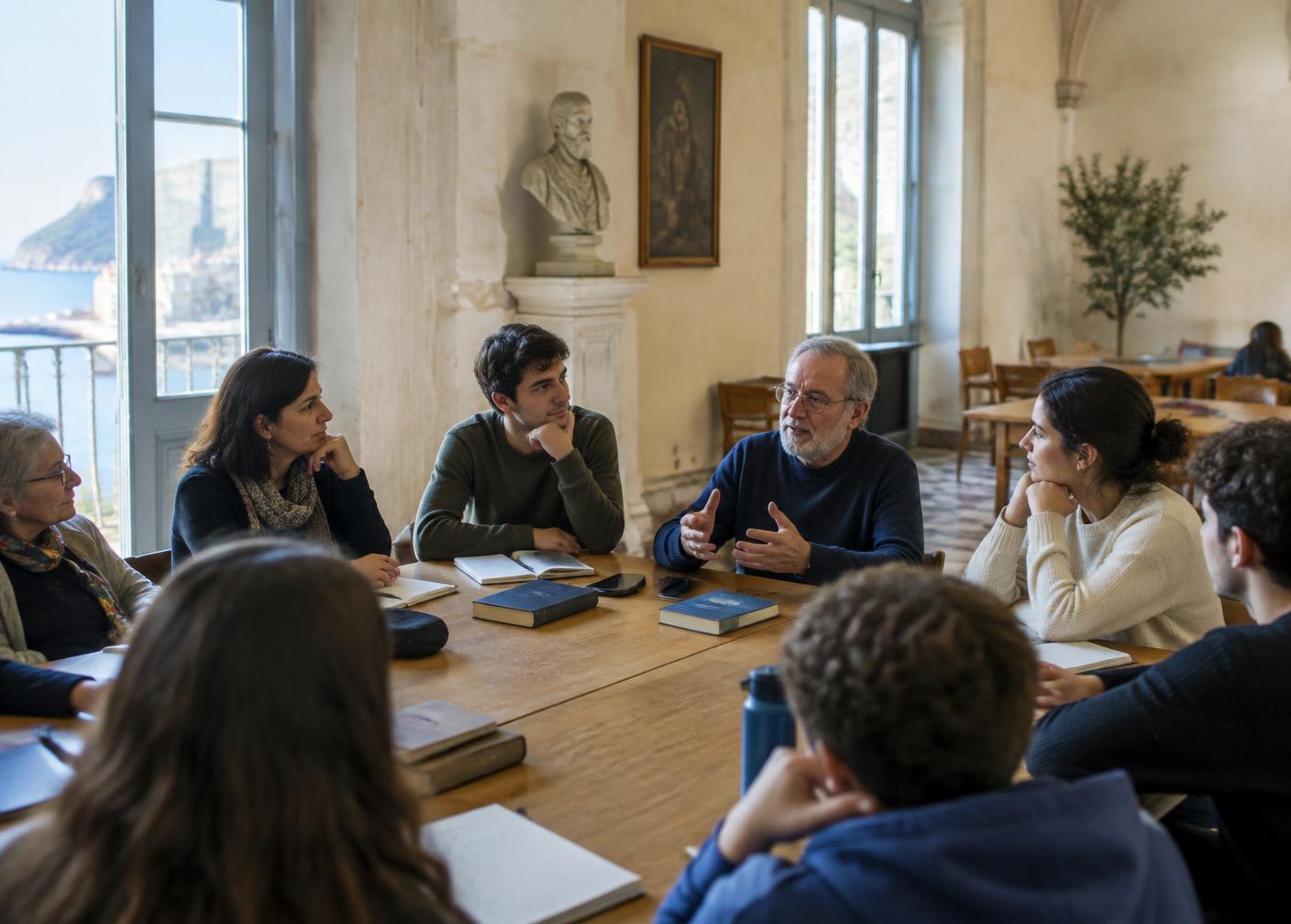
Cultural gathering between generations
01

Culture & Beauty

Meetings, itineraries and opportunities for discovery for those who want to experience Mediterranean heritage as protagonists, not spectators.

Cultural itineraries, meetings and discovery opportunities that safeguard Mediterranean heritage and keep it alive in the present.

Typical activities: public talks and showcases, visits and walks discovering places and traditions, meetings with scholars and artists, initiatives that bring different generations together around shared heritage.
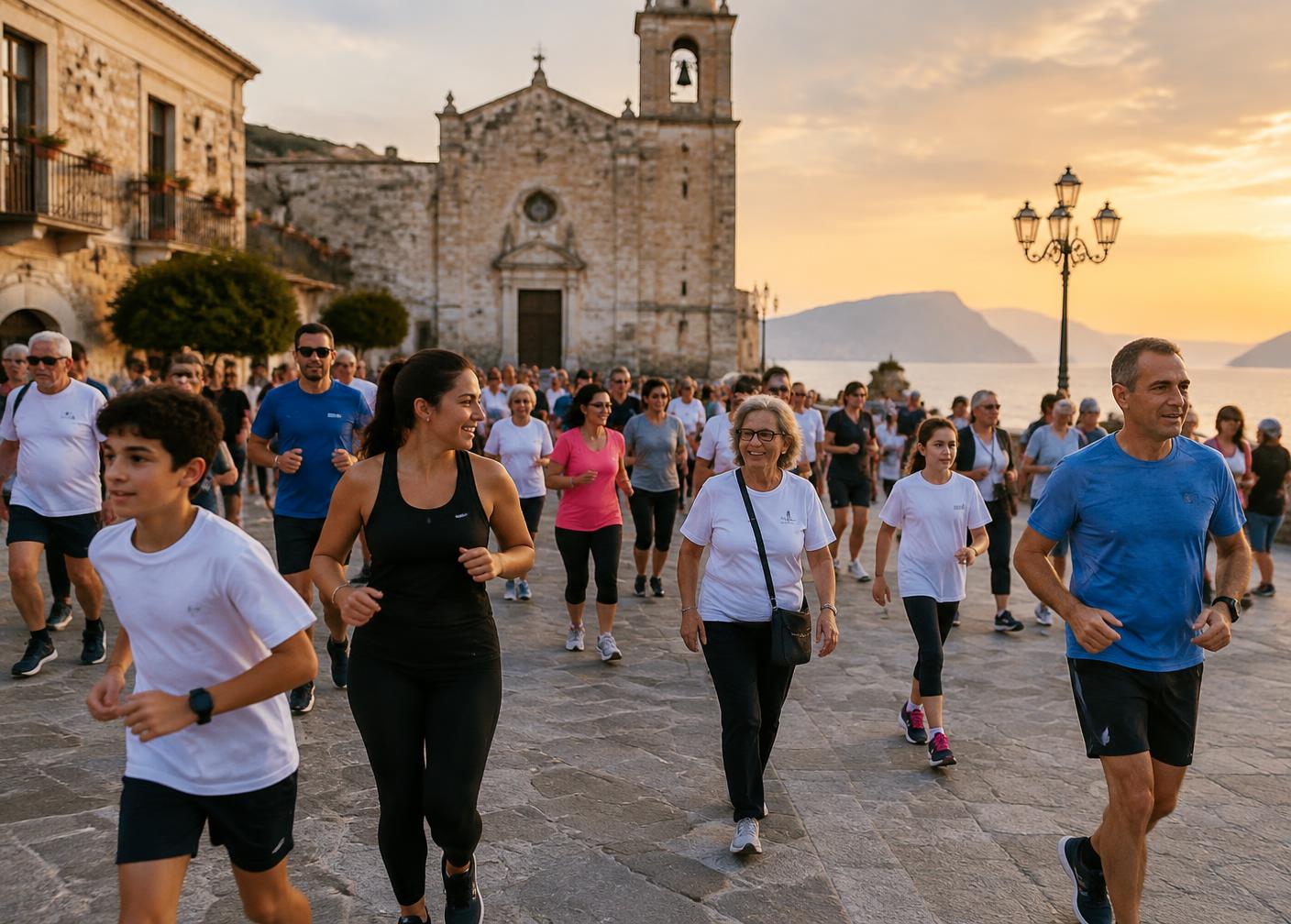
Sporting activity open to the community
02

Sport & Wellbeing

Sporting activities open to all ages, to look after oneself and come together with others.

Accessible activities and sporting initiatives that strengthen personal wellbeing, participation and a sense of community.

Typical activities: runs and walks open to everyone, charity sporting events, gentle introductions to movement for those starting from scratch, partnerships with local sports clubs and organisations.

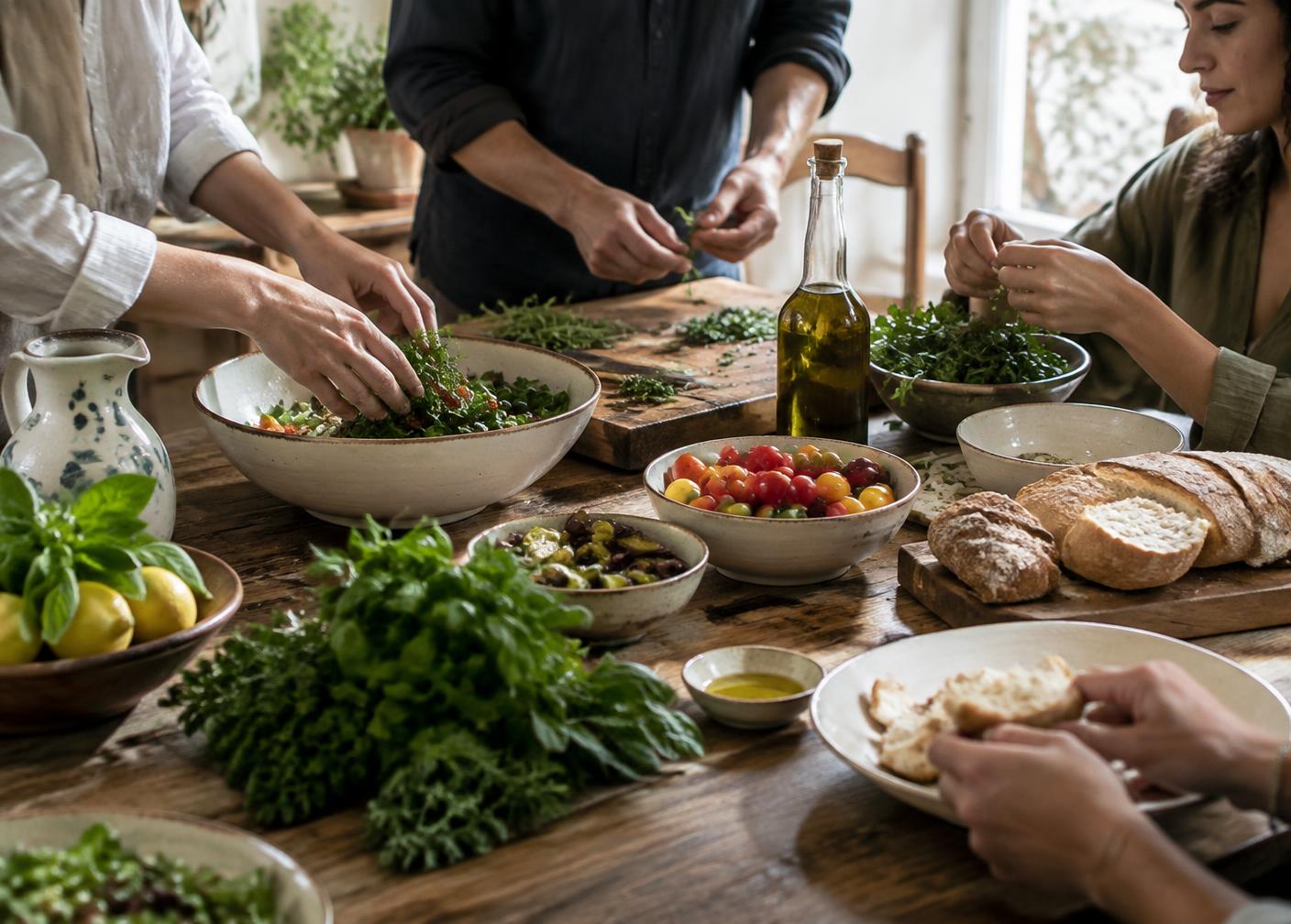
Shared preparation of Mediterranean food
03

Food & Health

The Mediterranean table as a teacher of health: practical meetings on food, prevention and lifestyles.

Meetings and projects dedicated to food culture, prevention and sustainable lifestyles.

Typical activities: informative talks on nutrition and prevention, hands-on Mediterranean cooking workshops, school programmes on the relationship between food, seasonality and wellbeing.

Cultural gathering between generations
04

Training & Education

Workshops and pathways for young people, adults, schools and universities: knowledge grows when it is shared.

Knowledge as a shared practice: workshops and collaborations with schools and universities.

Typical activities: workshops for students, training courses for adults, collaborations with schools and universities, orientation and exchange moments between teachers and learners.

Sporting activity open to the community
05

Community & Inclusion

Projects built with local associations and organisations, so that no one is left on the margins of community life.

Actions built with associations and communities to foster participation, listening and equal opportunities.

Typical activities: initiatives built together with local associations, gatherings designed for those who take part less in public life, intergenerational activities and community listening sessions.

Shared preparation of Mediterranean food
06

Innovation & Technology

Digital tools and artificial intelligence put at the service of culture and access to knowledge.

Contemporary tools to widen access to knowledge and generate measurable social value.

Typical activities: use of digital tools to tell and make cultural content accessible, digital literacy programmes, experiments that bring innovation closer to everyday life.

Cultural gathering between generations
07

Sustainability

Care for the environment and the land within every initiative, from organisational choices to everyday actions.

Care for the land is built into every initiative, from organisational choices to community awareness-raising.

Typical activities: organisational choices mindful of consumption and waste at events, initiatives to care for and enhance local places, awareness sessions for participants and partners.

02

The process

How a PhiMeK project is born.

From idea to realisation, we always follow the same four steps. It is a way of avoiding improvisation and making clear to our partners where the shared work is heading.

  1. 01

    A recognised need

    It all starts with something missing: a place that draws little attention, a topic rarely told, a group of people left out of shared occasions.

  2. 02

    A partner who contributes

    A municipality, a school, a company or an association brings goals, spaces or expertise. Together we define what we want to achieve and by when.

  3. 03

    A project written and shared

    Content, schedule, roles and responsibilities are put in writing before starting, so every partner knows what to expect.

  4. 04

    Activities open to people

    The project becomes meetings, workshops or sporting initiatives that people genuinely take part in. At the end, we report back to everyone who collaborated on how it went.

Have an idea?

Let's build a project together.

A few lines are enough: who you are, where you operate and what you would like to achieve. We read every proposal and reply so we can explore together whether there is common ground.

Propose a partnership