Our activity
The sustainable Mediterranean diet.
Not a diet, but a way of life: the way the peoples of the Mediterranean have bound land, sea, work and table into a shared culture.
World heritage since 2010.
On 17 November 2010, the fifth session of the UNESCO Intergovernmental Committee for the Safeguarding of the Intangible Cultural Heritage of Humanity inscribed the Mediterranean Diet on the prestigious Representative List.
A significant recognition, which credits that wonderful and balanced example of natural and cultural blending that is the Mediterranean way of life as a world excellence.
What the sustainable Mediterranean diet consists of.
The word "diet" comes from the Greek diaita, "way of life": that is, the set of practices, representations, expressions, knowledge, skills and cultural spaces with which the peoples of the Mediterranean have, over the centuries, created and recreated a synthesis between cultural environment, social organisation, and the mythical and religious universe surrounding food.
The Mediterranean Diet represents a set of skills, knowledge, practices and traditions ranging from landscape to table, including cultivation, harvesting, fishing, conservation, processing, preparation and, in particular, the consumption of food.
It is much more than a simple food: it promotes social interaction, since the shared meal is the cornerstone of the social customs and festivities shared by a given community, and it has given rise to a substantial body of knowledge, sayings, tales and legends.
What characterises the sustainable Mediterranean diet.
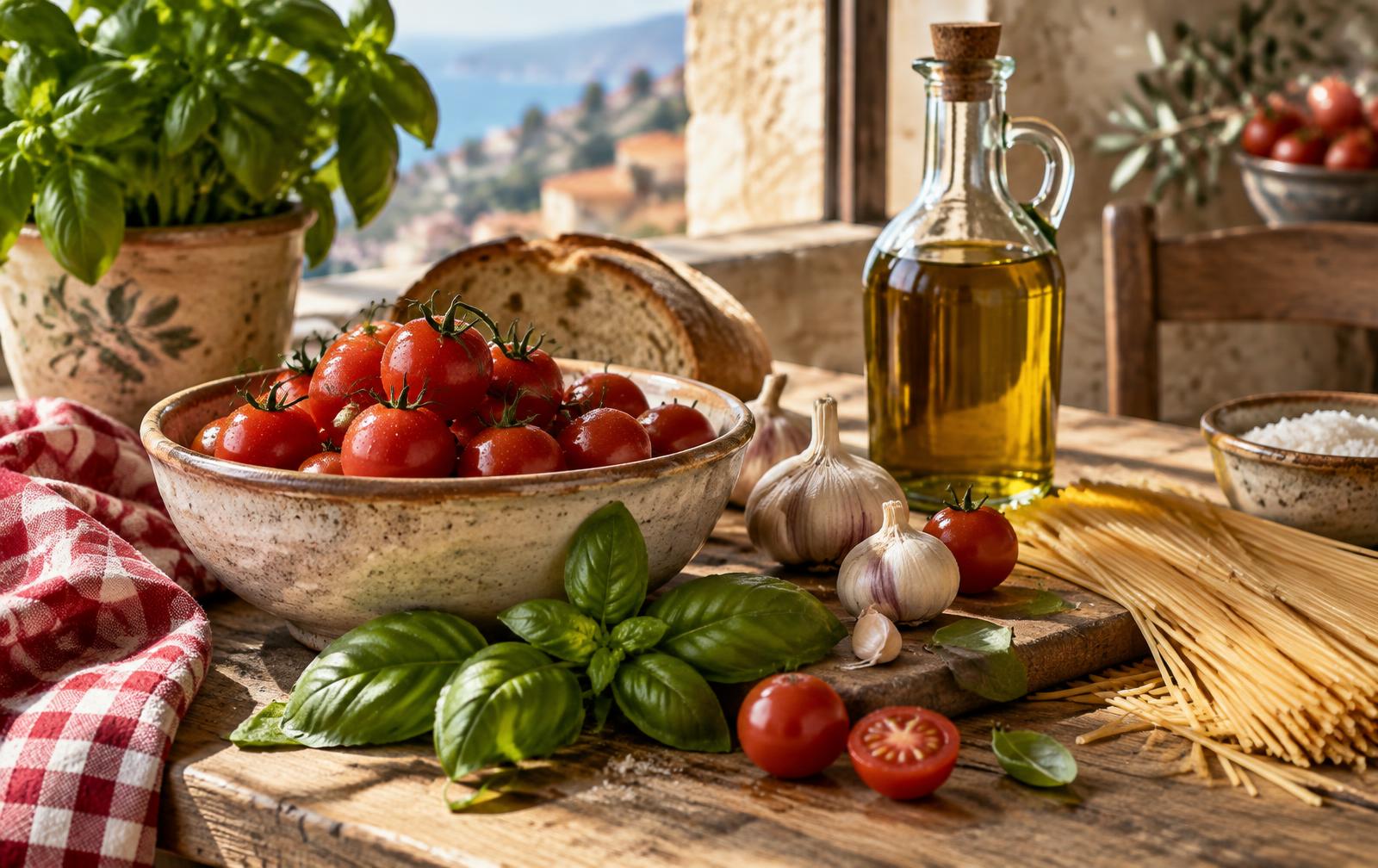
It is characterised by a nutritional model that has remained constant over time and space, consisting mainly of olive oil, cereals, fresh or dried fruit, vegetables, a moderate amount of fish, dairy and meat, and many condiments and spices, all accompanied by wine or infusions, always in keeping with the traditions of each community.
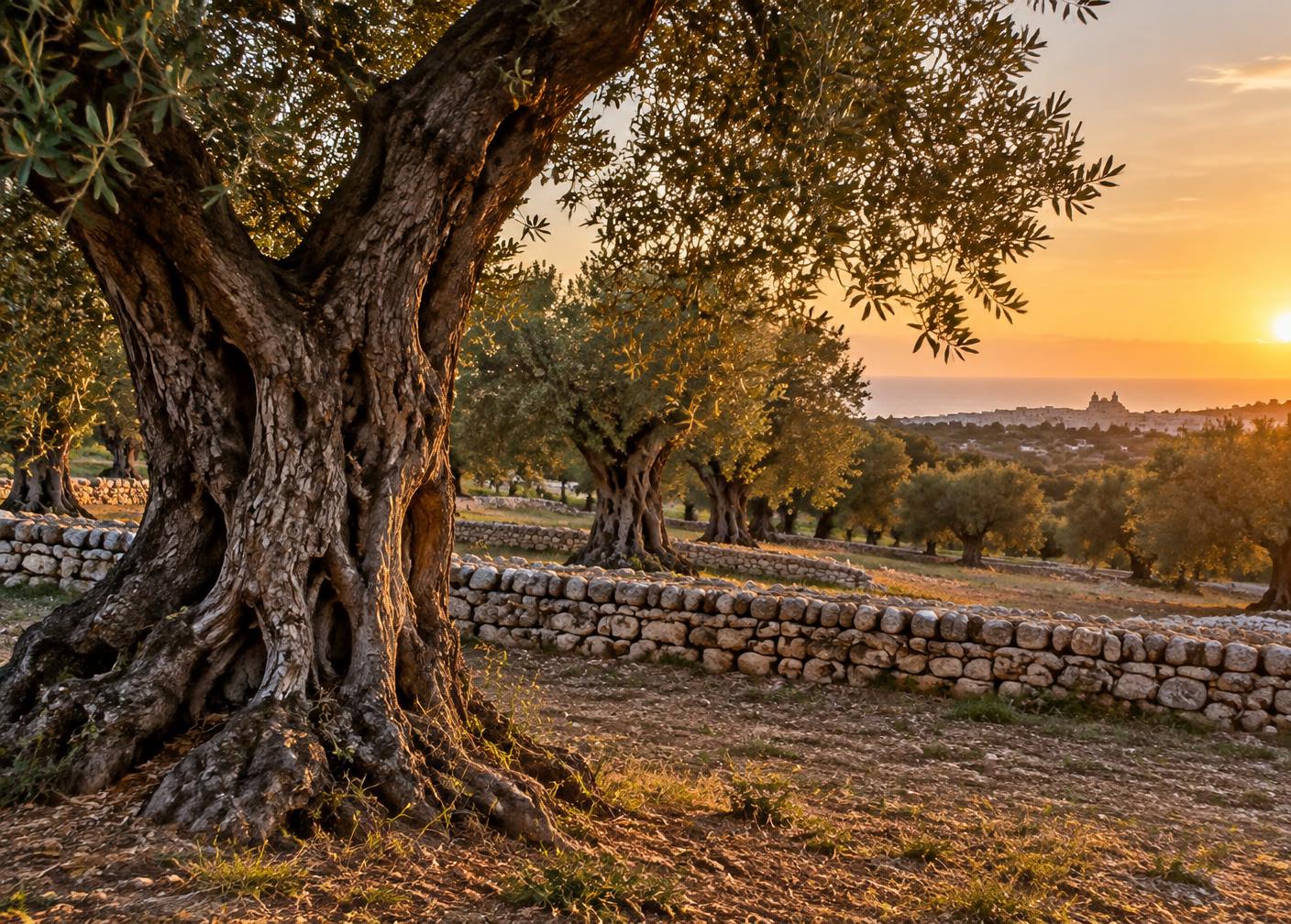
The Diet is grounded in respect for the land and biodiversity, and it ensures the preservation and development of traditional activities and trades linked to fishing and farming in Mediterranean communities such as Soria in Spain, Koroni in Greece, Cilento in Italy and Chefchaouen in Morocco.
Women play an indispensable role in passing on skills, as well as knowledge of rites, traditional gestures and celebrations, and in safeguarding techniques.
The four emblematic communities
- 01Soria, Spain
- 02Koroni, Greece
- 03Cilento, Italy
- 04Chefchaouen, Morocco
Typical products
Italy leads the way in typical products of the sustainable Mediterranean diet.
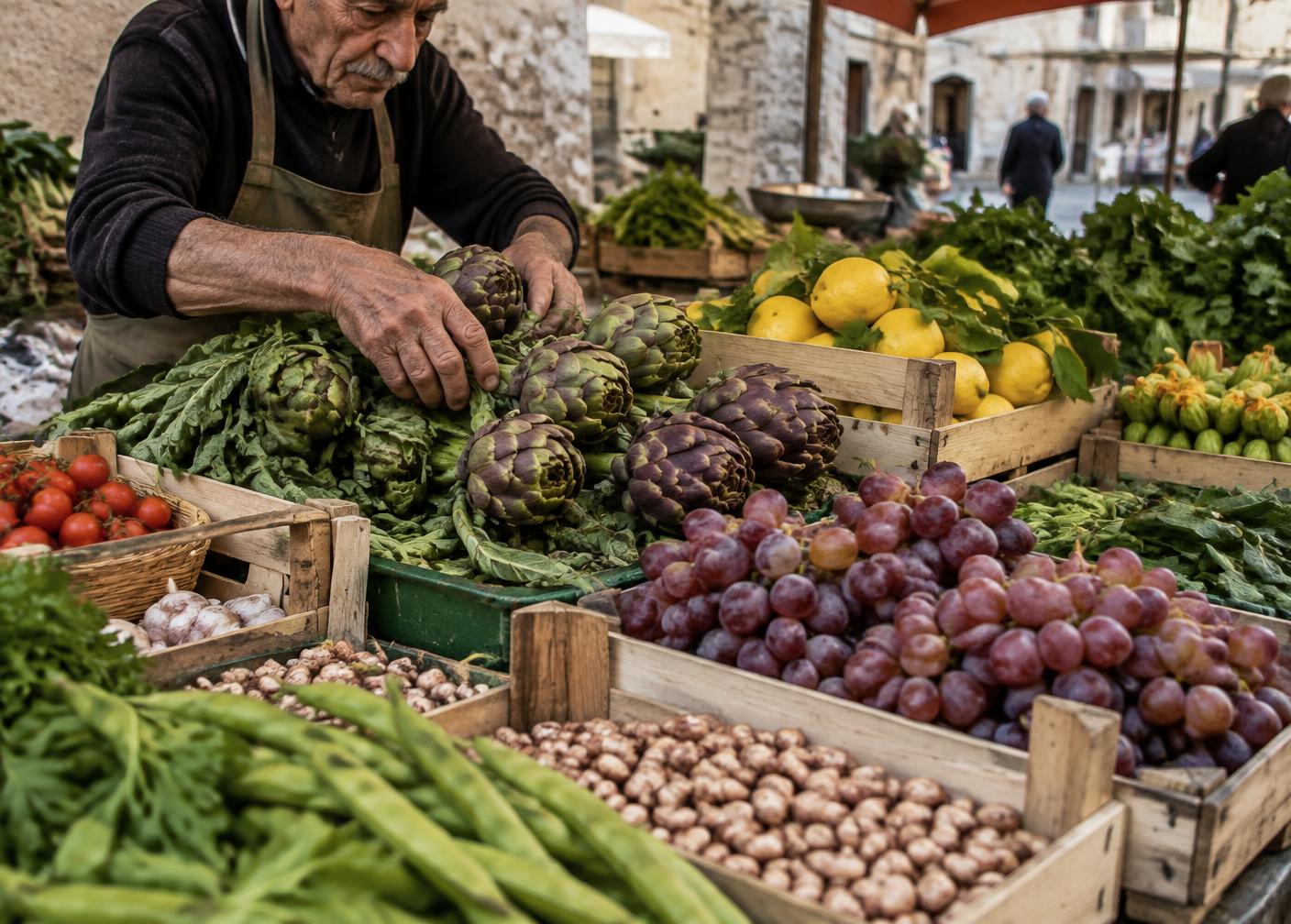
All the cornerstone products of the Mediterranean diet see Italy at the top of world production. The country is the world's leading producer of pasta and wine, and although it ranks second in olive oil production, it is the leading exporter. Italy is also Europe's leading producer of fruit and vegetables.
- Pasta and wine
- World's leading producer.
- Olive oil
- World's second-largest producer and leading exporter.
- Fruit and vegetables
- Leading European producer.
- First place
- Kiwi, grapes, artichokes.
- Second place
- Peaches and nectarines, carob, hazelnuts.
- Third place
- Cauliflower, broccoli, pears.
- Fourth place
- Lettuce, chicory, almonds, cherries, chestnuts.
- Canned tomatoes
- Leading exporter, world's third-largest producer.
Italy and the sustainable Mediterranean diet.
- Climate conditions
- Unique in the world: they make the peninsula the leading country worldwide for biodiversity.
- 7,000
- different plant species. Brazil, in second place, stops at 3,000.
- 58,000
- animal species. China, in second place, counts 20,000.
- 1,800
- wild grapevine varieties. France has 200.
- 997
- apple varieties, out of the 1,227 existing worldwide.
- 1,400
- wheat varieties, of which only 6 are in common use.
- 70%
- of the world's artistic and human heritage is in Italy; the remaining 30% is spread across the rest of the world.
"ours values your wealth"
Want to bring the sustainable Mediterranean diet to your school, organisation or company? Tell us your idea: we respond to every proposal.